Your Outbound Is Arriving Too Late: Why B2B Buyers Pick Vendors Before You Call
Most B2B buyers start with a vendor in mind before any sales contact. Why volume outbound is losing ground, where intent data falls short, and how signal-based selling and upstream presence fill the gap.

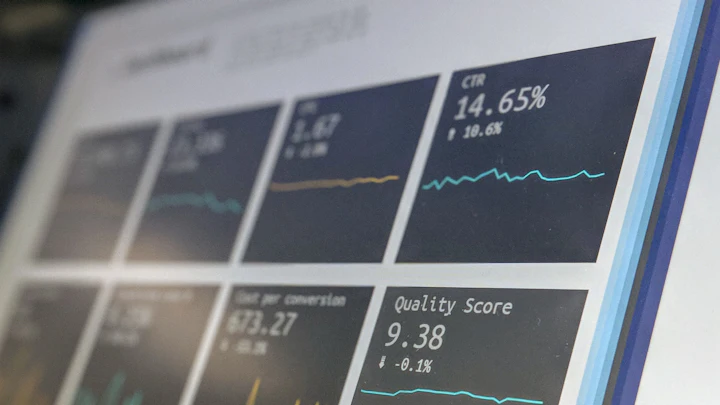
Photo: Charanjeet Dhiman on Unsplash
Picture a typical month for a B2B sales development team. Thousands of emails sent. Hundreds of cold calls. A dozen LinkedIn sequences, with subject lines A/B tested. The activity dashboard looks healthy. The pipeline report doesn't.
This usually isn't a story about bad execution. The emails are personalised, the calls get made, the follow-ups fire on schedule. The problem is that the machine is aimed at buyers who have often already made the decision it was trying to influence.
Forrester's 2024 Buyers' Journey Survey found that 92% of B2B buyers start their purchase with at least one vendor in mind, and 41% already have a single preferred vendor before formal evaluation begins. 6sense's research points the same way: buyers make first contact with a vendor about 61% of the way through their buying process, and the eventual winner was almost always on their day-one shortlist.
And more of that early research now happens in places your outreach can't reach. In a G2 survey reported by Demand Gen Report, 51% of B2B software buyers said they now start their research with an AI chatbot. They ask ChatGPT or Perplexity who the leading vendors are, and they get an answer. Your cold email isn't part of that conversation.
This article looks at what's changing in B2B demand generation, why the outbound model built over the last decade is getting weaker returns from better inputs, and what's working instead.
The volume model and why it's straining
The dominant B2B growth model for most of the last decade rested on a simple equation: more contacts × better messaging × decent conversion = predictable pipeline. The sales development function was the engine. Hire more reps, buy more data, build more sequences, and generate enough attempts to hit the number.
That worked when a few conditions held: cold email was novel enough to earn attention, buyers needed vendor conversations to learn about a category, and inboxes weren't yet saturated with automated outreach.
Those conditions have weakened. In outbound research published by the GTM Monday newsletter, 86% of B2B companies said they rely on outbound, but 53% said it isn't working as well as it once did. (The other 47% said it works as well or better, which matters, and we'll come back to why.)
The performance numbers tell a similar story. Most benchmarks put average cold email reply rates in the low single digits, which means the overwhelming majority of cold emails get no reply at all. On the people side, The Bridge Group's 2025 SDR report found only about 60% of sales development reps reached quota, the lowest share in the history of its survey, despite more investment in sales technology than ever.
The volume model isn't failing because reps are lazy or sequences are badly written. It's struggling because buyers have changed where they research and form preferences, and the volume model wasn't designed for those channels.
Where your buyer actually is
Here's how a B2B purchase increasingly unfolds.
A buyer identifies a problem. They ask a peer who solved something similar what they used. They ask an AI assistant for an overview of the category. They read a few articles from independent analysts, practitioner newsletters or publications. They form a mental shortlist. Only then do they start the formal evaluation: visiting vendor websites, reading reviews on G2 or Gartner Peer Insights, maybe booking a demo.
Where does your sales rep appear in that sequence? Usually after the mental shortlist has formed. Where does your Google search ad appear? At the keyword-search stage, which tends to come late, after the peer conversations and AI research.
This is what's often called the dark funnel: research that happens in peer conversations, private communities, AI chats and podcasts, none of which leave a pixel or a UTM tag. Buyers may be reading your content and checking your LinkedIn while your CRM shows nothing, because none of it produced a form fill.
That changes how you should read intent data. When an account starts showing high intent (repeat site visits, content downloads, ad clicks), they're often not starting their research. They're finishing it, checking you against a shortlist they've already formed. A cold call at that moment isn't creating demand. It's either confirming a decision already in motion, or interrupting a late-stage evaluation.
The intent signal you can measure is often the tail of the buyer's journey, not the start.
The limits of intent data
Intent data is often sold as the fix for outbound productivity: instead of spraying the market, focus on accounts showing buying signals and reach them at the right moment.
It can help, but its limits are structural:
- It only sees trackable channels. Third-party intent data is built from content consumption, keyword searches and ad exposure across data networks. It can't see peer recommendations, private Slack communities or AI assistant conversations, which are exactly where many preferences now form.
- It can't tell why someone is researching. A spike in activity might mean active evaluation, background learning, a student writing a paper or a competitor doing research. Interest isn't the same as a buying window.
- It arrives late. As above, by the time signals are strong enough to show up, the shortlist may already be set.
In our experience, teams get the most from intent data when they use it to prioritise and personalise among accounts already engaging with them, as a pipeline accelerator, rather than as a list of strangers to cold-contact as if the signal were a warm introduction. The buyer doesn't know they've "shown intent". To them, your email is still cold.
Signal-based selling: arriving when something has changed
If cold volume is losing ground and intent data has limits, what works within outbound? The approach with the strongest case is signal-based selling.
Signal-based selling isn't the same as intent data. Intent data guesses at interest from anonymous behaviour. Signal-based selling looks for trigger events: specific, verifiable changes in an account's situation that make a need more likely right now. Crucially, most are publicly observable:
- a new executive hire (a new VP of Sales, CMO or CTO);
- a funding round;
- a wave of job postings in a particular function;
- a product launch or expansion into a new market;
- a merger or acquisition;
- a new regulation or compliance deadline in their industry.
The logic is straightforward. A company that has just hired a new revenue leader has new priorities, a mandate to move fast and often a vendor stack they haven't committed to yet. A company that just raised a round has scaling pressure and money to spend. These are real buying windows created by real events, not inferred interest in a category.
Vendor benchmarks consistently report higher reply rates for trigger-based outreach than for generic cold sequences, though the size of the lift varies widely from source to source, and most of the data comes from sales-tool companies with an interest in the answer. Treat any specific multiplier with caution. The direction, though, is consistent and matches common sense: a message tied to something that just happened to the buyer is more relevant than one that isn't.
Building a signal-based system needs different infrastructure from a standard SDR stack:
- Monitoring: job-change alerts in LinkedIn Sales Navigator, news alerts on target accounts, funding databases such as Crunchbase, and industry or regulatory news.
- Messaging tied to the trigger: not "I saw your company on our target list" but "I saw you've just hired a new head of revenue; leaders in that seat often tackle X in their first 90 days."
- Speed: the window after a meaningful trigger is measured in weeks, not months.
It also changes the volume equation. Signal-based outbound means fewer contacts with better timing, rather than more contacts with better copy. A team monitoring a focused list of accounts and responding quickly to real triggers can generate better pipeline than one sending tens of thousands of untriggered sequences.
Beyond outbound: being present where preference forms
Signal-based selling makes outbound more productive. It doesn't solve the deeper problem: peer recommendations, AI answers and community conversations are channels you can't reach with a sequence.
The B2B teams that seem to be doing best are investing in three things alongside outbound.
1. Product-led proof. Where the product allows it, a free trial or freemium tier lets buyers confirm value themselves. A buyer who has already used your product doesn't need persuading in a demo. They need pricing, security documentation and a clear path to roll it out. The qualification work that SDRs were designed to do is partly done by the product.
2. Visibility in AI answers. If half of software buyers start research in an AI chatbot, the question is whether your company appears in the answer. Most B2B companies have an SEO strategy for Google but nothing for AI assistants. Being cited tends to require:
- original research or data that others reference;
- clear, specific content that answers the questions buyers actually ask;
- third-party mentions in respected industry publications, analyst reports and review sites;
- a consistent presence in practitioner communities.
3. Practitioner and founder voices. Across channels, people tend to trust people more than logos. On LinkedIn, posts from individuals generally travel further than posts from company pages. Several well-known B2B companies built early demand this way: Gong's team became known for sharing data-backed sales insights on LinkedIn, Drift co-founder David Cancel built an audience through his writing and podcast, and Clay has grown a large community of practitioners sharing workflows. (We've written more about this in why founder brands shape B2B buying.)
This isn't about the CEO making every sales call. It's about a small number of real experts publishing consistently, in their own voice, where buyers spend time, with support on research, data and distribution.
What to actually do
Audit your pipeline by entry point. Before changing anything, find out where qualified pipeline really comes from. Separate inbound from outbound. Within outbound, separate trigger-based from cold-list outreach. Within inbound, look at AI referrals, organic search, LinkedIn and direct or "dark" traffic. Add a free-text "How did you hear about us?" field to demo forms; the answers often reveal podcasts, peers and communities that your attribution tool never sees.
Build a signal watchlist for your top accounts. Pick the trigger events most linked to buying in your category: funding, executive hires, launches, expansions, compliance deadlines. Set up monitoring and shift outbound towards trigger-based sequences, with a goal of reaching out within days of a trigger.
Check your AI visibility. Ask ChatGPT, Claude, Gemini and Perplexity who the leading vendors are in your category, and which tools solve the specific problems you solve. If you don't appear, work out what original research or authoritative content would earn a mention, and build a 90-day plan around it.
Build one practitioner voice before scaling the company page. Choose one person with real expertise and a real network, often the founder or a senior specialist. Support them with research and editing while keeping their authentic voice. Get them to consistent posting before adding more voices.
Test trial-first if your product permits it. Compare conversion to qualified opportunity from trials against demo requests. If trials convert better, shift marketing towards trial sign-ups and rebuild the sales motion around activation and expansion.
None of this happens in a single quarter. Teams that are outperforming today generally started building these capabilities a year or two ago. The real risk is waiting: every quarter spent only on the old model is budget spent on channels with declining returns.
Our take
B2B outbound isn't dead. It has a lower ceiling than it used to.
That ceiling is set by a shift in buyer behaviour that isn't reversing: many buyers form preferences before they're reachable by outbound, in channels outbound can't touch. The shortlist often exists before the first call.
What outbound can still do well is reach accounts where a real trigger has opened a buying window, where something changed and your solution is relevant to it. That's likely why nearly half of companies in that outbound research still say outbound works as well as ever: the ones doing it with precision and timing.
What outbound can't do is create preference from scratch with buyers who have already formed opinions elsewhere. More emails won't fix that. Better intent data won't fix that. More SDRs won't fix that.
What fixes it is being present where preference forms: in AI answers, in practitioner communities, in peer recommendations from customers who love your product, and in consistent content from people buyers already follow and trust.
The shortlists are being set right now. The question is whether you're on them before the buyer ever picks up the phone.
Rebuilding your pipeline for how B2B buyers actually buy today? AgniCorp Media helps B2B brands build presence and demand where buyers form their shortlists.

State of Marketing publishes practical, independently researched guides on marketing, SEO and brand building. How we write and review articles.