The Save Economy: Why Saves Tell You More Than Likes
Likes show who noticed your content. Saves show who plans to come back. What Pinterest, Instagram and YouTube reveal about intent, and how to build content people keep.
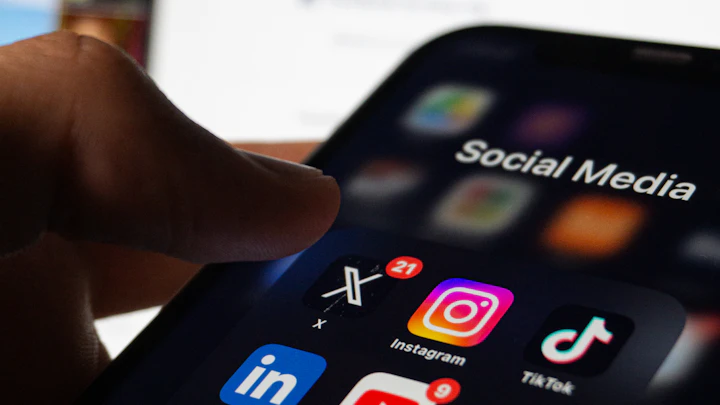
Photo: Berke Citak on Unsplash
Two posts go out from the same account in the same week. Here are their numbers (illustrative, but a pattern most social teams will recognise):
| Likes | Comments | Shares | Saves | |
|---|---|---|---|---|
| Post A | 1,400 | 26 | 31 | 4 |
| Post B | 14 | 3 | 2 | 347 |
On most dashboards, Post A wins easily. But ask a different question: which post did people decide to keep? Post A collected approval. Post B got bookmarked by hundreds of people who expect to need it later.
Most content teams can't see that difference, because the numbers they report are the public ones. Likes, comments, reach and follower growth all happen in front of an audience. Saves happen privately, and in most analytics tools you have to go looking for them.
Likes are a public reaction. Saves are a private verdict.
A like looks back, a save looks ahead
Each kind of engagement has a different relationship with time.
- A like is finished the moment it happens. You saw something, you approved, you moved on.
- A comment lives in the present. It lasts as long as the conversation does.
- A save points to the future. The person is predicting that a later version of themselves will want this, when they plan a trip, prepare a pitch, fix a problem or explain something to a colleague.
That future orientation is why saves are useful to marketers. Someone who saves a post about a specific problem is telling you they have that problem, or expect to. A like on the same post could come from anyone who found it mildly interesting.
Saves are also harder to inflate. Nobody sees that you saved something, so there's no social reason to do it: no signalling agreement, no supporting a friend, no following the crowd on a popular account. The only reason to save a post is that you think it will be useful. That makes a high save count a fairly honest measure of usefulness.
What the platforms are built around
Pinterest is the clearest case of a platform organised around keeping things. Its central action is the save, and the product is built for collecting ideas and returning to them while planning. On its Q1 2026 earnings call, the company said more than 72% of its impressions now happen on search surfaces, and that it handles more than 80 billion searches a month, about half of them commercial. In other words, most of what people see on Pinterest, they see because they went looking for it.
Content that performs in that environment has a different job from content in a scrolling feed. In a feed, a post has to be compelling for a few seconds. On a search-led platform, it has to be worth finding, and worth keeping once found.
Other platforms reward deliberate actions too, though in different ways:
- Instagram: head of Instagram Adam Mosseri has named sends per reach (how many viewers share a post to someone by DM) as one of the most important ranking signals, alongside watch time and likes per reach. He framed all of them as rates rather than raw counts. Saves aren't on his headline list, but a DM send and a save have something in common: both take a small, deliberate decision rather than a reflex tap.
- YouTube: YouTube says its recommendations draw on a range of satisfaction signals, including survey responses, shares, likes and dislikes, rather than clicks and watch time alone.
The common thread is that platforms increasingly try to separate passive reactions from signs that someone genuinely valued the content. Building content people want to keep lines up with that direction.
Three signs your content is built for approval
Here is a quick self-check. If two or more of these sound familiar, your content mix probably leans towards approval rather than intent.
1. Nobody tracks saves. The team knows reach and likes for every post, but saves aren't part of the regular report. You know how many people noticed your content, not how many thought it was worth returning to.
2. Your best posts are ones nobody would reference. Look at the last 90 days. Is there a single post that someone would save and forward to a colleague facing a specific problem? If your top performers are reactions, opinions and moments, you have visibility but no resources.
3. Your calendar is built for frequency. You publish to stay present. The planning question is "what do we post this week?" rather than "what from this month would anyone bookmark?"
None of these is fixed by posting more or less often. They're fixed by posting differently.
Reaction content versus reference content
Most social content is designed to earn a reaction. A strong hook stops the scroll, a relatable line earns a nod, a surprising number earns a share. That has value: reaction content earns reach, and reach puts you in front of new people.
Reference content does a different job. Its value lasts beyond the first read, because the reader recognises it as something they'll need for a task, a decision or a conversation. In practice, it tends to take four forms:
| Type | What it does | Example |
|---|---|---|
| Diagnostic | Helps someone tell whether they have a problem | "Three signs your brand has outgrown its social strategy" |
| Framework | Gives a model to apply later | A brief structure, with what each section should contain |
| Specific detail | Names exact mechanisms, steps or numbers | Three specific ways inconsistency costs a brand money, rather than "consistency matters" |
| Durable data | Research or patterns that won't date quickly | How behaviour differs on search-led versus feed-led platforms |
The split has nothing to do with length, tone or format. A 20-second Reel can be reference content; a 2,000-word article can be pure reaction. The test is whether the value survives past the moment of reading.
A useful editorial filter follows from this. Before publishing, ask: would anyone save this? It's a harder bar than "would anyone like this?", which is exactly why it improves the work. Likeable content can be vague and broadly agreeable. Saveable content has to be specific, complete and clear enough to retrieve.
How the save signal plays out
Founders building a personal brand. Founder content on LinkedIn tends to lean on stories: lessons learned, hard weeks, observations about running a company. Those build rapport. The posts that build authority are usually different: a framework, a diagnosis of a common mistake, a checklist someone would use before their next board meeting. Those get saved, forwarded in group chats and found again months later, which is how a reputation compounds. (We've written about how B2B buyers judge founder brands before they ever get in touch.)
Brands. If your best-performing content is all emotional and reactive, you're building awareness without authority. Authority is what makes someone think of you when a problem becomes urgent: the brand whose checklist they screenshotted, or whose guide turns up when they search. A consistently low save rate is an early warning that your content has a short shelf life.
Creators. The ratio of likes to saves is one of the best indicators of what your audience actually uses. Entertainment earns likes; utility earns saves. Both can be commercial, but they lead to different businesses. Products, courses and consulting depend on being useful, and saves are where you can see usefulness.
Putting saves into your reporting
You don't need new tools to start.
- Add save rate to your monthly report: saves divided by reach for each post, alongside likes per reach. Compare formats and topics by save rate, not just by reach.
- List your ten most-saved posts of the past year. Look for what they share: format, topic, level of detail. That's your reference content formula.
- Plan at least one reference post a week. A checklist, framework, template or diagnostic, written to be kept.
- Write the brief with the save in mind. Add one line to every content brief: "Why would someone save this?" If nobody can answer it, the post is a reaction piece, which is fine, as long as you're choosing that deliberately.
Likes still matter. Reach is real, and a post that travels widely can open doors. But a content operation that only measures approval can't tell whether people treat its work as disposable or as a resource. The save count is the closest thing you have to the private verdict, and most brands have never looked at it.
Want to know what your audience actually keeps? AgniCorp Media helps brands audit their content mix and build social content people save, share and come back to.

Muskan Agarwal is Head of Content at State of Marketing and co-founder of AgniCorp Media, where she leads digital marketing strategy across blogs, podcasts, newsletters and social channels. How we write and review articles.