The Touchpoint Leak: Why Your Order Emails Sound Like a Different Company
Brands spend months on their visual identity, then send order confirmations, delivery updates and error messages written by default templates. A practical guide to auditing and rewriting the post-purchase messages customers actually read.
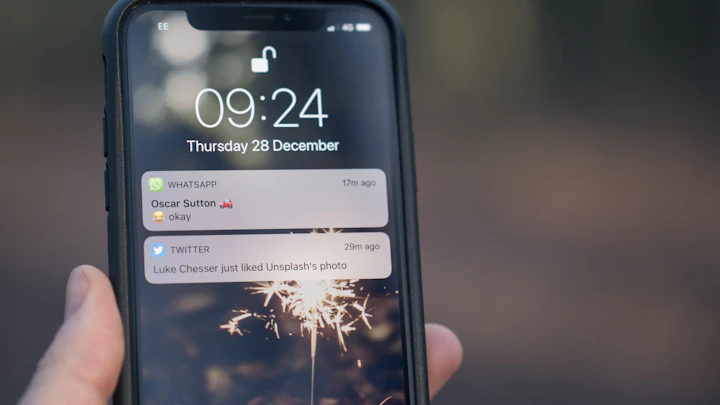
Photo: Jamie Street on Unsplash
Imagine a brand that has invested seriously in its identity. The Instagram grid is consistent and beautifully shot. The brand book runs to forty pages, covering the typeface, colour story, photography and a tone of voice described as "warm, witty and personal".
Now imagine placing an order.
The confirmation email uses the platform's default template: "Order #58271 confirmed. Your order is being processed." The returns page reads like a legal document and hasn't been updated in years. The WhatsApp auto-reply begins "Dear Customer". A failed payment shows "Transaction declined. Please contact your bank."
None of it sounds like the brand from the ads. This gap between the brand people see in marketing and the brand they deal with after buying is what we'll call the touchpoint leak.
The messages customers read most are the least designed
Brand work usually focuses on what's visible in marketing: logo, colours, typography, photography and campaigns. But much of a customer's contact with a brand happens elsewhere:
- Order confirmation emails and SMS messages
- Shipping and delivery updates
- Return and refund messages
- Failed payment and checkout error messages
- Error pages on the website or app
- Customer service replies and chat scripts
- WhatsApp auto-replies and templates
- Packaging inserts and labels
- Invoices and receipts
- Out-of-stock and back-in-stock alerts
- Review requests
These messages are often read more closely than marketing. Brevo's 2026 email benchmark found that automated and transactional emails averaged a 30.63% open rate and 7.39% click-through rate, against 20.73% and 2.27% for email campaigns overall. Customers open these messages because they want to know where their order is.
Yet these are the messages least likely to have a brief. They're usually set up by operations, customer service or a developer, under time pressure, using whatever the platform provides.
Why the leak happens
The brief stops at the design team. When a brand is built or refreshed, the agency hands over a visual system to marketing. The teams who write service scripts, delivery templates and error messages often never see it.
Brand sits in marketing, operations sits elsewhere. Marketing owns campaigns. Operations owns fulfilment, support and system messages. They rarely share a review process, so nobody is responsible for making the two sound alike.
Guidelines describe appearance, not behaviour. Most brand guides cover logo use, colour and a few tone-of-voice adjectives. Few answer practical questions: what should we say when a payment fails, a parcel is late, or a product sells out? We looked at the wider problem of brands without a defined voice in the sound problem, and at how brands drift over time in brand entropy.
Before and after: four common messages
Here's what extending the brand voice can look like for a fictional skincare brand whose voice is warm and plain-spoken.
| Moment | Default message | On-brand version |
|---|---|---|
| Order confirmed | "Order #58271 confirmed. Your order is being processed." | "Got it, Priya! Your order's in. We'll pack it within a day and send tracking as soon as it leaves us." |
| Payment failed | "Transaction declined. Please contact your bank." | "That payment didn't go through, and your basket is saved. Try again, or switch to UPI if your card's playing up." |
| Delivery delayed | "Your shipment is delayed due to unforeseen circumstances." | "Your parcel is running a day late because of courier delays in your area. New estimate: Thursday. Sorry about that." |
| Out of stock | "This item is currently unavailable." | "This one's sold out right now. Tap 'notify me' and we'll message you the day it's back." |
The on-brand versions do three things the defaults don't: they use the customer's name, they explain what happens next, and they sound like a person.
How to fix the leak
1. Run a touchpoint audit
List every message and screen a customer can see after the first click: emails, SMS, WhatsApp templates, error pages, receipts, packaging. For each one, note:
| Touchpoint | Who owns it | Last updated | On-brand? (yes / partly / no) | How often seen |
|---|---|---|---|---|
| Order confirmation email | ||||
| Delivery update SMS | ||||
| Failed payment message | ||||
| Returns page | ||||
| WhatsApp auto-reply |
Then fix the messages customers see most often first. Order confirmations, delivery updates and payment errors usually top the list.
2. Add a "difficult moments" section to your brand guide
Write short guidance and example copy for the situations where tone matters most: failed payments, delays, refunds, complaints and apologies. Say what the brand does in those moments (explain clearly, take responsibility, give a next step), not only how it sounds.
3. Give every touchpoint an owner
The brand team doesn't need to write every template. It does need to review them, and each touchpoint needs a named owner who checks it against the guide when the system or policy changes.
4. Review it every quarter
Check a sample of real customer messages each quarter, including support replies. Customer complaints and reviews often point straight at the messages that need work.
Some Indian brands are known for this. Zomato's push notifications and in-app messages, for example, are widely recognised for carrying the same playful voice as its advertising. Every brand doesn't need to be funny. Whatever the voice is, it should carry through to these messages.
It applies to founders and creators too
Founders have the same leak. Polished LinkedIn posts, a pitch deck with a different tone, and terse follow-up emails send mixed signals. Decide how you want to come across and apply it to email and DMs too.
Creators see it in DMs, brand collaboration posts and replies to critical comments. Audiences form one impression from all of it.
The question to ask
Most brands with a visual identity can say yes to "does our brand look consistent?" The harder question is whether it feels consistent: at checkout, in the delivery update, in the refund email. Would a customer who only saw your support messages recognise you from your Instagram?
The fix is mostly a matter of extending the brief to the teams and systems that write those messages.
Want to find where your brand voice drops off after the first purchase? AgniCorp Media helps brands audit and rewrite every customer touchpoint, from first ad to last delivery update.

Devv Bairaagi is Principal Strategist at State of Marketing and co-founder of AgniCorp Media, where he leads strategy. His background spans Hyundai, WorkIndia and the United Nations. How we write and review articles.