The 48-Hour Creator: Why Your Best Creator Content Dies on Someone Else's Feed
Brands pay for a creator post and let it fade within days, even though creator content often performs better as paid creative. Why usage rights, budgets and briefs keep that value locked up, and how to plan for it.

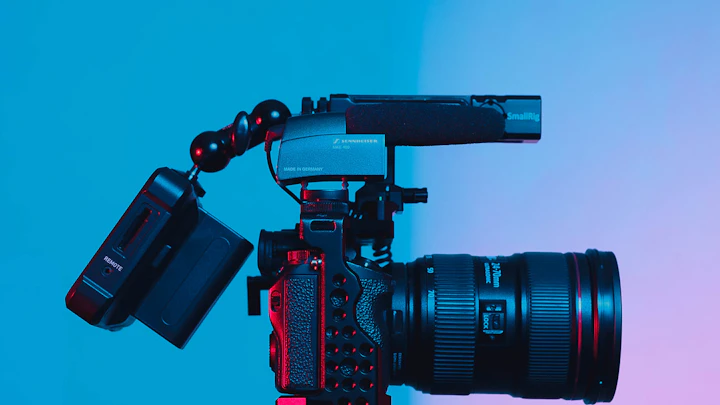
Photo: Wesley Tingey on Unsplash
Picture a typical influencer campaign debrief. Twelve slides of impressions, reach, engagement rates and top-performing creators. The numbers look good, and everyone agrees the campaign worked.
Then someone asks a simple question: what happens to this content now?
Usually, nothing. The posts went live, the campaign window closed, and the videos drift down the creators' feeds until nobody sees them. The campaign ran for three weeks. The content could have kept working for months, but nobody planned for that, because the plan ended when the posting window did.
A post is a placement. Creator content is an asset
Most creator campaigns are run like media buys. Book the slot, it runs, it ends. That's how billboards and TV spots work, and their shelf life is built into the purchase.
Creator content is different. The same video that got good organic results on a creator's profile can run as a paid ad, sit on a product page, appear in a welcome email or support a sales conversation. Often it's the most believable piece of creative a brand has, because it comes from a person the audience already follows.
The brand paid for the creative either way. The question is whether anyone plans to use it after the first few days.
What the data shows
Two things are true at once. Marketers believe creator content works in paid media, and many still can't use it easily.
Creator content performs. In a May 2026 survey of 100 paid media managers and marketing executives at US and UK brands and agencies, by CreatorIQ and Sapio Research, 77% said creator content outperforms traditional branded ad creative, and 43% said it performs significantly better. Respondents said creator content already makes up 44% of their paid media creative on average.
Platform data points the same way, though it comes from the platforms selling the ads. Meta reports that adding partnership ads (ads run from a creator's handle) to business-as-usual campaigns delivered on average 19% lower cost per acquisition and 13% higher click-through rate, based on a set of advertiser tests. TikTok says its Spark Ads, which boost creator posts from the creator's own account, have shown a 43% higher conversion rate than standard in-feed ads. Treat both as directional.
Big brands have already shifted. CreatorIQ's State of Safety report found creators produced about 33 times more branded content than Fortune 100 companies posted on their own social accounts between January and August 2025.
Rights are still the bottleneck. In the same CreatorIQ survey, 54% named securing usage rights as a barrier to scaling creator content in paid media, second only to measuring creator-driven performance (58%). Aspire's 2026 research, covering nearly 900 marketers and creators, found 67% include paid usage in the creator's initial contract or rate. That leaves a large minority negotiating after the post is live, when the creator knows it performed and the price of rights has gone up.
Why the value gets left on the table
Budgets treat it as a campaign
Influencer spend usually sits in a campaign budget with a start date, an end date and a wrap-up report. When the campaign closes, nobody owns the job of reusing last quarter's best creator content in this quarter's ads. Creative production budgets work differently: you make an asset once and use it for as long as it earns its keep.
Measurement stops when the campaign stops
Campaigns get judged on creator-side metrics such as reach, views and engagement. If a creator video later runs as a paid ad, the results are credited to the ad campaign. If a clip appears in an email, it's measured as email. The later value is real, but it's invisible in the influencer report, so nobody plans for it next time.
The brief never asks
Most briefs cover objectives, deliverables, timelines, messaging and dos and don'ts. Very few include a section on what happens to the content afterwards: which channels, which formats, for how long. If the brief doesn't ask, the contract won't cover it.
Planning for the content's second life
1. Decide where the content will go before you sign anyone
Will it run as paid ads? From the creator's handle or yours? For how long? Will it appear on product pages, in email, in store or in sales material? Each answer tells you which rights you need. Aspire found creators commonly charge 15% to 35% of their base rate for each 30 days of paid usage. That's a real cost, so it's easier to budget for it upfront than to discover it later.
2. Put the rights in the first contract
Spell out the channels, duration, territories, whether you can edit or cut the video, and whether ads will run from the creator's handle. On Meta, running ads from a creator's account needs their partnership ad permission, which they can revoke, so agree on it in writing. In India, keep the content clearly labelled as advertising in line with ASCI's influencer guidelines.
3. Keep an amplification reserve
Hold back part of the campaign budget to boost the best-performing posts in the first few days, while comments and engagement still act as social proof. Pick winners on early signals such as saves, shares, watch time and meaningful comments, not just views.
4. Map where each asset lives
List every planned use: paid social, product pages, email, retail screens, sales decks, your own social accounts. Each placement extends the content's life and spreads the original cost over more results.
5. Add a "content afterlife" slide to every debrief
List each asset, the rights you hold, where it will keep running and how you'll measure it. If the team can't fill that slide, the plan has a gap. Tag every reused asset with its own tracking link, using our UTM builder, so its later results can be traced back to the creator.
What this means for each side
Founders: creator content is often the most credible creative you'll have. Before your next campaign, check what rights you hold on the last three. If the answer is "not sure", that's the first thing to fix.
Brand teams: move the rights conversation from legal clean-up to strategy. Measure creator content across every channel it runs in, not just in the week it's posted. It makes the case for future creator budgets much easier.
Creators: brands that plan for reuse are more likely to pay properly for usage, book you again and build longer partnerships. Pricing usage clearly, by channel and duration, makes you easier to work with. We've written about why brands should rebook their best creators and how creator campaigns can compound rather than spike and fade.
One extra question in the brief
Fixing this doesn't need a new platform or a bigger budget. It needs one more question at the start of the process, before creators are chosen and rates agreed: what happens to this content after it goes live?
That question changes the brief. The brief changes the contract. The contract decides whether a campaign buys a few days of reach or months of useful creative.
Want creator campaigns that keep working after the posting window closes? AgniCorp Media helps brands plan creator programmes around rights, reuse and measurement.

Devv Bairaagi is Principal Strategist at State of Marketing and co-founder of AgniCorp Media, where he leads strategy. His background spans Hyundai, WorkIndia and the United Nations. How we write and review articles.