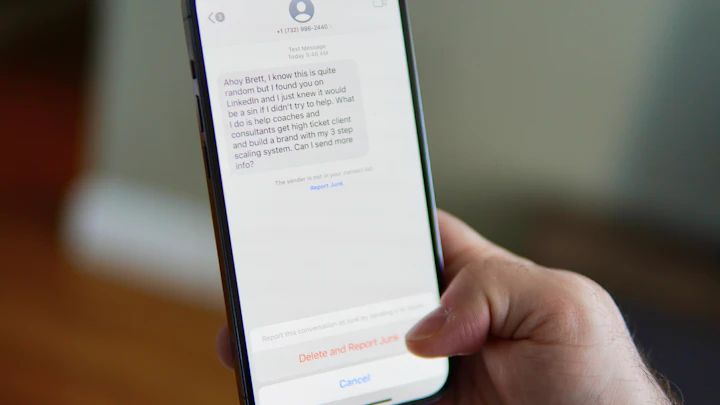
How to Respond to Negative Comments on Social Media
Every brand gets negative comments. A practical guide for small teams on which comments to answer, how to reply calmly in public, when to move a conversation to private messages, and when hiding or deleting is the right call.
Photo: Chidera Faustina Okeke on Unsplash
Sooner or later, every brand that posts on social media gets a negative comment. A late delivery, a product that didn't work, a rude reply from staff, or just someone having a bad day. For a small team, the first instinct is often to panic, delete it or fire back.
Handled well, though, a negative comment can show everyone else watching how you treat customers. Most people reading the thread are potential customers deciding whether to trust you.
First, work out what kind of comment it is
Not every negative comment needs the same response. Sort them quickly:
- A genuine complaint: a real customer with a real problem, such as a late order, a faulty product or poor service.
- A question with frustration: someone confused or worried, asking in an irritated way.
- Fair criticism: someone who doesn't like a decision, a price change or a campaign, and says so.
- Trolling: comments designed to provoke, with no real issue to solve.
- Abuse, spam or harmful content: hate speech, threats, scams, personal information or anything that breaks the platform's rules.
Most comments fall into the first three groups. Those deserve a reply.
How to reply to genuine complaints
Respond quickly. A fast reply, even just to say you're looking into it, stops frustration building. Agree internally on who checks comments and how often, including weekends during busy periods.
Acknowledge the problem. Start by recognising what happened: "Sorry your order arrived late, that's not the experience we want you to have." Don't open with excuses.
Don't argue in public. Even if the customer is partly wrong, a public back-and-forth rarely ends well. Stay calm and polite.
Move details to private messages. Ask them to message you with their order number or contact details, so you're not asking for personal information in public. Reply publicly so others can see you responded.
Follow through. The private conversation is where you solve the problem. If it's fixed, it's fine to reply on the original thread: "Glad we could sort this out, thanks for your patience."
Use a person's voice. A reply signed with a first name ("Thanks, Aisha from the support team") feels more human than a corporate script.
How to handle fair criticism
Sometimes people simply don't like something you did. You don't have to agree, but you should listen:
- Thank them for the feedback.
- Explain your reasoning briefly, if it helps.
- Tell them if you're considering changes, but don't promise what you won't deliver.
If many people raise the same point, that's useful information. Share it with the team rather than treating it as a moderation problem.
How to deal with trolls
Trolls want attention. The usual advice is not to feed them:
- Ignore comments that are just provocative with no real issue.
- Reply once, calmly, if there's a factual error others might believe, and leave it there.
- Don't get drawn into a debate. Your followers can see what's going on.
When to hide or delete
Hiding or deleting comments should be the exception, not a way to remove criticism. It's usually appropriate for:
- Hate speech, threats or harassment.
- Spam, scams and fake links.
- Personal information, such as someone's phone number or address.
- Content that breaks the platform's community rules.
Deleting genuine complaints tends to backfire, because people notice and the complaint often comes back louder, sometimes with screenshots. If you remove a comment, be able to explain why under a clear policy.
Write a simple response guide
A one-page guide helps anyone on the team respond consistently:
- Who checks and replies to comments, and when.
- Response times you aim for on each platform.
- Template openings for common issues (late delivery, refunds, product problems), to be personalised each time.
- What to escalate, such as legal threats, safety issues, media enquiries or posts going viral, and to whom.
- What you hide or delete, and why.
Templates save time, but never paste the same reply word for word under every complaint. It looks automated and makes people angrier.
Learn from the comments
Negative comments are free customer research. Once a month, look at what people complained about. If the same issues keep coming up, such as delivery times, sizing or a confusing checkout, fixing them will do more than any reply. Our guide to customer interviews shows how to dig deeper, and our piece on keeping your festive customers covers fixing problems before they cost you repeat business.
A quick checklist
- Which type of comment is this?
- Have we replied within our target time?
- Did we acknowledge the problem before explaining?
- Did we move personal details to private messages?
- Did we follow through and close the loop?
- Should this be escalated?
- Are we hiding or deleting only what our policy allows?
Calm, quick and human
You can't stop negative comments, but you can decide how you respond. A calm, quick and human reply often turns a public complaint into proof that you care, which is exactly what the people quietly reading the thread want to see. The same principles apply to reviews, which we covered in our Google Business Profile checklist.
Want help managing your brand's social media community? AgniCorp Media helps brands build social media processes that protect their reputation.

Muskan Agarwal is Head of Content at State of Marketing and co-founder of AgniCorp Media, where she leads digital marketing strategy across blogs, podcasts, newsletters and social channels. How we write and review articles.