The Dark Store Shelf: Why Quick Commerce Belongs in Your Media Plan
Quick commerce advertising in India tripled to about ₹4,000 crore in 2025, and Zepto's ad revenue passed ₹1,600 crore. Why most brands still treat Blinkit, Zepto and Instamart as distribution, and how to plan for them as a media channel.
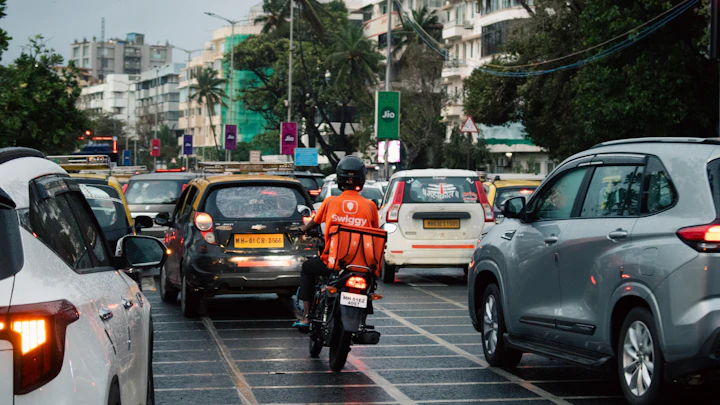
Photo: Zoshua Colah on Unsplash
Picture a weekly marketing review at a D2C or FMCG brand in India. Someone presents Meta: impressions, CPM, click-through rate, conversions. Someone else covers Google: search volume, cost per click, Quality Score. Then Instagram reach, YouTube views and email open rates.
There's no slide for Blinkit.
The data exists. The problem is where quick commerce sits in the organisation. In many brands it belongs to sales or distribution, not marketing. The questions asked about it are about listings, stock and delivery times, not about media.
That made sense when quick commerce was a small delivery channel. The numbers suggest it's now something more.
The numbers behind the shift
According to the Pitch Madison Advertising Report 2026, advertising on Blinkit, Zepto and Swiggy Instamart grew from ₹1,325 crore in 2024 to ₹4,000 crore in 2025, a 202% jump. The report projects about ₹6,000 crore in 2026, another 50% rise.
Company filings show the same trend. Zepto's updated draft IPO prospectus puts its advertising revenue at ₹1,635.7 crore in FY26, up from ₹651.2 crore in FY25 and ₹49 crore in FY24.
The order volumes explain why platforms can sell this inventory. In FY26, Blinkit processed 916.6 million orders, Zepto 640.2 million and Swiggy Instamart 412.2 million. That's close to 2 billion orders in a year, each one a moment when someone was ready to buy.
Quick commerce is part of a wider move towards commerce media. WPP Media's forecast put India's retail media advertising at about ₹30,360 crore in 2026, around 15% of the country's total ad revenue. Different reports define these categories differently, so treat the figures as signs of direction rather than precise shares.
Why the quick commerce shelf works differently
The decision happens in one session
When someone opens a quick commerce app and types "face wash", they've usually already decided to buy something in that category. What's left is choosing the brand, and that often happens in seconds, based on what appears near the top of the results.
Payment by UPI takes moments and delivery takes minutes. Search, choice, payment and delivery all happen in one short session. There's very little time for a competing brand to change the shopper's mind.
The top of the shelf is often paid
As on Amazon or Google, the first results in a quick commerce search can include sponsored listings. Brands that appear there reach people at the point of purchase. Brands that don't are relying on the shopper remembering them well enough to scroll past.
Platforms are paid when people buy
Quick commerce platforms earn from orders as well as ads, so their ad products are built around sales rather than attention. That makes the channel a natural fit for performance budgets, but it also means the platform controls most of the data, which we'll come back to.
Many purchases start in the app
For everyday categories like snacks, personal care and household items, people often haven't researched beforehand. They're in the app because they've run out of something. The listing they see in that moment carries much of the decision.
Four things to plan for
1. A separate retail media budget
Many brands split their budget into brand, Meta, Google and influencer lines. Quick commerce spend, if it exists, often sits under trade or distribution. Giving it its own line in the media plan makes it possible to set goals for it, compare it with other channels and review it properly.
A retail media budget answers a different question from a brand budget. It's less about building awareness and more about winning the shelf when someone is ready to buy.
2. Listings built for a small screen and a quick decision
On a quick commerce results page, the product image, name, pack size and price do almost all the work. An image that looks great on Instagram may be hard to read as a small tile on a phone. Check that your pack shot is clear at thumbnail size, your title names the product and its main benefit plainly, and your variants and pack sizes are easy to compare.
This is a different skill from both packaging design and social content, and it's worth treating as one.
3. Measurement that counts quick commerce
If quick commerce sales sit in a separate sales report, the marketing team may never see how campaigns elsewhere affect them, or how much quick commerce ads add.
Single-channel attribution struggles here. A shopper might see a brand on Instagram several times and then buy it on Blinkit. Last-click reporting will credit one channel and ignore the other. Practical steps include:
- Reviewing quick commerce sales alongside media spend each week, by city and category.
- Running simple tests, such as pausing or increasing quick commerce ads in some cities and comparing results.
- Asking platforms what reporting they offer on new versus repeat buyers.
We covered the wider problem in the retail media attribution trap.
4. Learning early
Advertising auctions tend to reward experience. Brands that have run campaigns for longer have more data on which keywords, listings and offers work, and know how to use the platform's tools. Brands that start later may pay more while they learn. That's a reason to start with small, structured tests now rather than wait.
What this means for different teams
- D2C founders: if your category sells on quick commerce, find out what share of your sales and new customers come from it. If you don't know, start there.
- FMCG brands: the familiar model of building awareness through TV and outdoor, then winning at the kirana shelf, still works. But in big cities, a growing share of purchase decisions now happen on a phone screen in a few seconds. That shelf deserves the same attention as the physical one.
- Agencies and strategists: quick commerce retail media combines search, listings, pricing and measurement. Teams that understand all four will be useful to brands working out how to plan for it.
Treat the digital shelf like the physical one
Indian brands have spent decades learning to win the physical shelf: where products sit, how displays work, which end-caps are worth paying for. A sponsored slot on a quick commerce search page is a similar decision, made in a channel that handled close to 2 billion orders last year.
The brands that start treating it as media now, with a budget, a creative approach and a way to measure it, will have more data and experience than those that start later. For more on how Indian shoppers browse and buy on social platforms, read India's social commerce window-shopping problem.
Planning how quick commerce fits your media mix? AgniCorp Media helps D2C and FMCG brands build performance plans across social, search and retail media.

Devv Bairaagi is Principal Strategist at State of Marketing and co-founder of AgniCorp Media, where he leads strategy. His background spans Hyundai, WorkIndia and the United Nations. How we write and review articles.