The Booth Mirage: Why B2B Teams Should Rethink the Trade Show Stand
Expo booths produce badge scans, swag queues and big lead counts, but often little pipeline. Why big generalist trade show stands underperform for complex B2B sales, and a four-part playbook built around small executive dinners, pre-booked meetings and longer attribution.
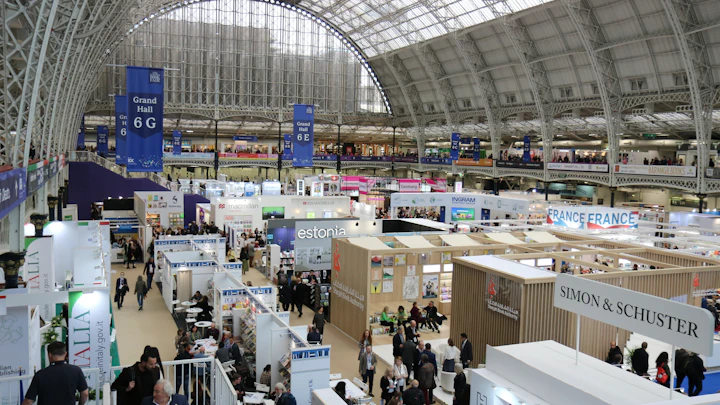
Photo: Euronewsweek Media on Unsplash
Picture a B2B software company preparing for a big industry expo. The team books a large stand, ships a video wall, orders branded hoodies and hires a coffee cart. For three days, account executives scan badges in exchange for tote bags. They come home celebrating hundreds of "leads".
Three months later, a handful have turned into real sales conversations. Once travel, build and sponsorship are added up, each genuine opportunity cost a small fortune.
The scene is hypothetical, but many field marketers will recognise it. As cold email gets harder (inbox placement at Gmail fell sharply in 2026), B2B teams are putting more money back into in-person events. That's a sensible move: complex deals with large buying groups often move faster face to face. The mistake is assuming the default format, a booth on a crowded expo floor, is the best way to spend that money.
Why the expo booth underperforms
The setting works against a real conversation
On an expo floor, your buyer is standing, tired and surrounded by dozens of stands making similar promises. Explaining a complex product in a few minutes over background noise is hard. Senior buyers often spend their time in side meetings, private lounges and dinners rather than walking the aisles.
Badge scans attract the wrong people
Raffles and freebies drive traffic, but much of it comes from students, junior staff, job seekers and other vendors rather than people who can buy. Scan counts go up. Pipeline doesn't.
There's a hidden cost too. Importing an unverified badge list and sending everyone the same "great meeting you at the booth" email can push up bounces and spam complaints, which hurts the reputation of your main sending domain. We looked at that risk in the AI SDR mirage.
Short attribution windows miss the effect
Enterprise deals take months. If event leads are judged on what happens in the first few weeks, most of an event's influence on later deals won't show up in reports. Budgets then follow habit rather than evidence. We covered the same gap for LinkedIn in the 180-day gap.
The event is treated as the whole campaign
Without target account lists before the event, meeting goals during it and quick, personal follow-up after it, conversations fade fast. An email a week later rarely lands with someone who spoke to dozens of vendors that day.
Three common mistakes
"Our competitors have a big stand, so we need one too." Buyers don't judge a product by floor space. A well-chosen private dinner near the venue can say more about how seriously you take your customers than a branded banner in the hall.
Choosing broad shows over focused ones. At a big generalist expo, only a small share of attendees may match your ideal customer profile. Smaller vertical events and invitation-only gatherings can put far more of the right people in one room. Event platform Bizzabo's look at executive event strategy for 2026 makes a similar point: leaders increasingly judge events on pipeline influence and deal acceleration, and care more about precision and audience intent than about adding more events.
Judging events on cost per lead. A seat at an executive dinner costs far more than a badge scan. But cost per lead ignores what happens next. The fairer comparison is cost per qualified opportunity, and pipeline created or accelerated per rupee spent.
The executive salon playbook
You don't need to stop attending conferences. Change what you do there instead.
| Part | What it means |
|---|---|
| 1. Choose events with a scorecard | Score each event on how many target accounts and decision-makers will attend, not on habit |
| 2. Host a small private dinner | Invite around a dozen target buyers to a peer discussion near the venue, instead of buying a big stand |
| 3. Book meetings weeks ahead | Agree target accounts and secure most meetings before the team travels |
| 4. Measure over months | Track account-level influence on pipeline over 90 days or more |
1. Choose events with a scorecard
Before renewing a sponsorship, score the event. How many of your target accounts attend? How senior are they? Can you meet them outside the expo hall? A simple scorecard is better than renewing last year's events by default.
At large conferences, consider attending with standard passes for a few senior people and account executives, and putting part of the money you'd have spent on a stand into a private room or small venue nearby.
2. Host a small private dinner
Keep it small: roughly ten to twelve target buyers, one or two existing customers who are happy to speak openly, and a couple of senior hosts from your side.
Don't pitch. Build the evening around a short, moderated discussion of a real problem your guests face, such as how finance teams are reviewing AI spending. Many hosts use the Chatham House Rule: people can use what they hear, but not say who said it. That makes candid conversation more likely. Senior buyers come to hear how their peers are handling the same problem, not for the free meal.
3. Book meetings weeks ahead
The results of an event are largely set before it starts.
- About three weeks out: sales and marketing agree on a shortlist of target accounts attending the event or in the city.
- About two weeks out: senior leaders send personal, plain-text invitations, not designed marketing emails.
- In the final days: confirm one-to-one breakfasts and coffees, so most of the team's time is booked before anyone travels.
4. Measure over months, not days
Set up campaigns in your CRM to track influence at the account level over 90 to 180 days. Useful measures include:
- Pipeline created relative to total event spend. Agree a target in advance, and review the format if it falls well short.
- Deal acceleration. Do open opportunities move forward faster after a contact attends?
- Follow-up quality. Every guest should get a personal note within a day that refers to something they said, not a generic email sequence.
How it looks in different sectors
- Enterprise software and cybersecurity: security leaders often avoid vendor stands at big conferences. A private briefing nearby, with a respected practitioner leading the discussion and no product slides, can be a better first meeting.
- Fintech and financial infrastructure: finance leaders rarely discuss sensitive problems in public. Small breakfast roundtables in key cities, with useful benchmark material for attendees, suit them better.
- Luxury real estate and wealth advisory: large property expos attract many casual browsers. Private previews or small hosted dinners, sometimes with a partner brand, can reach serious buyers more directly.
Ten questions for your next event plan
- Do we choose events with a scorecard, or renew them out of habit?
- What is our real cost per qualified opportunity from stands?
- Do we track event influence over at least 90 days?
- Do we depend on raffles and freebies to drive stand traffic?
- Have we tested replacing one large stand with several small private dinners?
- Are most of our meetings booked before we travel?
- Do our private events centre on peer discussion rather than product pitches?
- Do sales and marketing agree target accounts and follow-up timelines in advance?
- Do we verify badge-scan contacts before emailing them?
- If we removed every piece of swag from the budget, would our events still create pipeline?
Fewer people, better conversations
Big expo stands make events look busy. For complex B2B sales, what matters is whether the right people had a useful conversation with you. Fewer guests, chosen carefully, in a setting where they can talk honestly, will often do more for pipeline than hundreds of badge scans. For more on how B2B buyers decide before they ever talk to sales, read the dark funnel.
Planning next year's events? AgniCorp Media helps B2B teams design field programmes built around pipeline, not foot traffic.

Devv Bairaagi is Principal Strategist at State of Marketing and co-founder of AgniCorp Media, where he leads strategy. His background spans Hyundai, WorkIndia and the United Nations. How we write and review articles.