The Festive Trap: Why Brands That Only Show Up at Diwali Pay More for Less
Many Indian brands put a large share of their yearly ad budget into a few festive weeks, when media is most expensive and attention most crowded. Why preference is built in the quieter months, and a practical way to plan year-round brand presence.
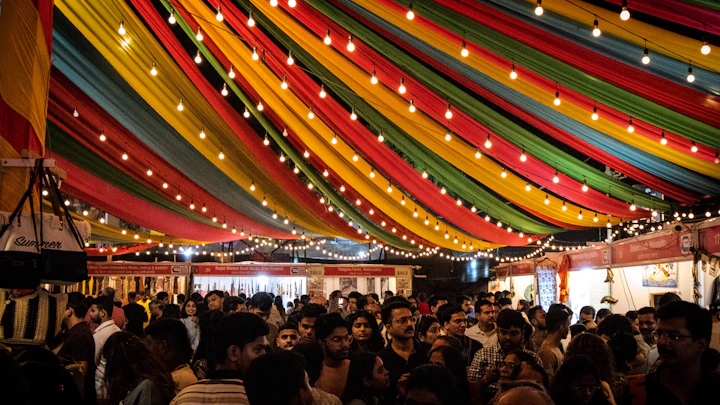
Photo: Pratik Dugam on Unsplash
Every year, somewhere around September, many Indian marketing teams switch on. Budgets that sat quietly since January start moving. Campaign briefs get rushed, creator lists get built and media agency calls get more urgent, because the festive season is coming.
For plenty of brands, the stretch from Navratri to New Year is the most visible and most expensive part of the marketing year. The reasoning is easy to follow: this is when people shop, gift and treat themselves.
The catch is what happens to everything else. A brand that's mostly silent for the rest of the year arrives in October as a near-stranger, in the most crowded and expensive media window of the year. This guide looks at why that costs more than it seems, and what year-round presence can look like on a realistic budget.
How concentrated festive spending is
Estimates vary, but they all point the same way. In Storyboard18's reporting from August 2025, Hansa Research said the festive season (August to December) accounts for 30% to 50% of annual advertising expenditure, while Grant Thornton put festive spend at around 28% to 30% of India's total advertising in FY26.
That concentration pushes prices up. A festive ad spend guide from Razorpay Rize, published in September 2026, says Google cost per click can climb 25% to 40% in the season, and that costs on peak sale days have even been known to triple.
So a brand that saves most of its budget for October pays the highest prices of the year, competes with every other brand in its category at once, and tries to reach people who are being targeted from every direction.
People buy in the festive season. They often choose earlier
Festive purchases tend to be considered ones: a phone, a piece of jewellery, a set of outfits, a gift that has to land well. For those, people usually have a shortlist before the sale starts. Festive advertising can remind them of a brand they already know, or tip the decision between two they're weighing. It has a much harder job introducing a brand they've never heard of, in the same week, against everyone else's Diwali campaign.
Think about how a shopper might come across a brand that ends up in their festive basket. Perhaps a creator they follow used it in March. Perhaps it showed up when they searched for something in July, or a friend mentioned it in August. Those quieter moments are when a brand gets a chance to be noticed without thirty competitors shouting at the same time.
There's research on what happens when brands go quiet. In a study in the Journal of Advertising Research, Ehrenberg-Bass Institute researchers tracked 365 US consumer goods brands that stopped advertising for a year or more. On average, their market share fell 10% after one year, 20% after two and 28% after three. Kantar's analysis of going dark makes a similar point: much of advertising's effect is to maintain market share, and longer periods off air can damage a brand.
Those studies look at brands that stopped advertising for a year or more, which is more extreme than going quiet between festive seasons. They aren't India-specific either. But they support a simple idea: being remembered takes ongoing presence, and a brand that disappears for most of the year has to rebuild familiarity every time it returns.
What festive-only marketing really costs
The higher media price is the obvious cost. There are three less visible ones.
Creator relationships start from zero every year
Creators who've worked with a brand over months know its products, its tone and what their audience thinks of it. A creator briefed in September for a one-off Diwali post knows none of that, and the result often looks like every other brand's festive post from the same creator pool. Then the relationship ends until next September, and the brand pays peak-season rates to start again.
Search presence is built over months
Useful content, a steady stream of reviews and a site that answers buyers' questions build search visibility slowly. A brand that's quiet for ten months has little of it. When people research its category in the months before Diwali, it doesn't show up. For brands selling across India, vernacular content is one way to widen that reach.
Trust takes repeated, low-pressure encounters
A brand someone has come across several times over the year, with no sale attached, starts the festive season as a familiar name. A brand they meet for the first time in a sale ad has to introduce itself and persuade them in the same moment, which is a harder and more expensive job.
Why the pattern keeps repeating
None of this means festive-heavy teams are careless. Several forces push them that way:
- Budget approval. A festive budget is easy to justify because its purpose is obvious and its results fall inside a sale window. Spending in May to influence October needs a different kind of argument.
- Category habits. When every competitor goes quiet for most of the year and loud for two months, staying active can look like spending into silence.
- Attribution. Most ad reporting credits the campaign that ran just before the sale. Awareness built months earlier rarely gets credit, which makes October spending look like the only thing that works. We looked at this measurement gap in the dark funnel.
These constraints are real. The useful question is how to work within them.
What year-round presence looks like
Staying present all year doesn't mean spending festive-level budgets every month. It means spreading some budget, attention and activity across the calendar.
Keep a steady, low-cost presence in quieter months
Feeds are less crowded and media is usually cheaper outside the festive peak. A modest, consistent investment in useful content, social posts and community during those months keeps the brand familiar when the festive campaign arrives. Even one genuinely useful piece of content a month adds up over a year. Our content calendar guide for small brands shows a simple way to plan it.
Build a few long-term creator relationships
Pick three to five creators whose audiences match your customers and work with them over six to twelve months, rather than activating twenty creators for one festive campaign. Ongoing partnerships give creators time to use the product properly, so their recommendations sound more like their own.
Invest in search and useful content
Guides, comparisons and answers to the questions people ask before they buy keep working long after they're published. This kind of investment is slow and hard to attribute, which is why it's often the first thing cut. It's also what gives a brand a presence when buyers research months ahead of the sale.
Set aside a share of the budget for the rest of the year
If your festive budget is fixed, start by moving a modest share, such as 15% to 20%, into the other ten months. Spread it across content, community, search and ongoing creator work. Treat it as an experiment: track branded search, direct traffic, repeat visitors and festive conversion rates against previous years. The exact split matters less than having some presence outside the sale window.
Three questions to ask before next year's budget
- If October to December disappeared from your marketing calendar, what would be left? If the answer is "not much", your brand depends on the calendar.
- How much of your awareness comes from paid reach, and how much from word of mouth, search, community and creators? If nearly all of it is paid, awareness will fall as soon as spending stops.
- What would happen to awareness if you stopped advertising for three months? If the honest answer is that it would mostly disappear, the brand has been renting attention more than building it.
Start planning now
Making the case for brand investment in February takes some patience, because the payoff shows up months later. That's why it helps to set the plan before the next festive brief is written. For the weeks right after this year's rush, see how to keep the customers Diwali brought you. For 2027, the time to plan the quiet months is now.
Want a year-round brand plan that makes your festive budget work harder? AgniCorp Media helps Indian brands plan content, creator partnerships and social presence across the whole calendar.

Devv Bairaagi is Principal Strategist at State of Marketing and co-founder of AgniCorp Media, where he leads strategy. His background spans Hyundai, WorkIndia and the United Nations. How we write and review articles.