After the Festive Rush: How to Keep the Customers Diwali Brought You
The festive season brings a wave of first-time buyers, and most brands lose them by January. A practical plan for the weeks after Diwali to turn one-time festive shoppers into repeat customers without discounting your margin away.

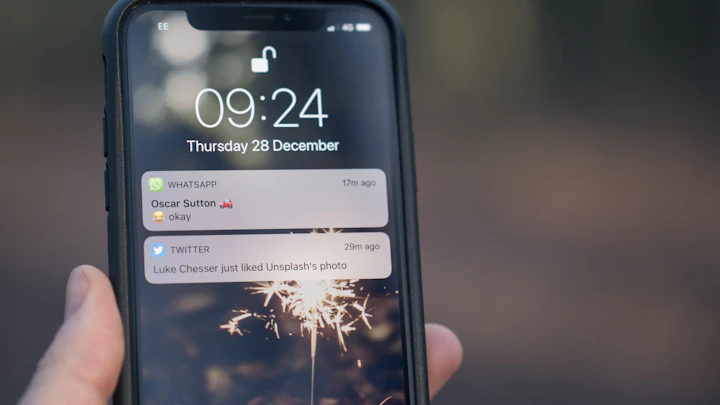
Photo: freestocks on Unsplash
For many Indian brands, the festive season is the biggest sales window of the year. Ad budgets peak, sale banners go up, and a wave of new customers places a first order. Then the season ends, and most of those customers quietly disappear.
That's expensive. Festive customers are often among the costliest you'll acquire, because everyone is bidding for attention at the same time. If they never buy again, much of that spend bought a single, heavily discounted order. The weeks after Diwali are when you decide whether the season built a customer base or just a spike.
Why festive customers drift away
Picture a typical, hypothetical festive shopper. They saw an ad during a sale, bought a gift for someone else at 30% off, and never used the product themselves. They don't remember the brand name, and the only message they've had since is another discount code.
That shopper isn't disloyal. They just never had a reason to come back. Common reasons festive customers drift away:
- They bought for someone else, so they never experienced the product.
- They came for the price, and full price feels like a step down.
- The brand only got in touch with offers, so it blended in with every other sale message.
- Delivery or returns went badly during the busiest weeks of the year.
Split your festive buyers before you message them
Sending every new customer the same post-festive email is the most common mistake. Start by sorting them into a few groups:
- Gift buyers. Orders with gift wrap, a different delivery address or a gift note. Their relationship is with the occasion, not the product.
- Self-buyers. People who bought for themselves. They're the most likely to buy again if the product is good.
- Discount-only buyers. First orders made entirely on the biggest offer. Treat them carefully, or you'll train them to wait for the next sale.
- Customers with a problem. A late delivery, a return or a complaint. Fix these first.
Even rough groups are better than one message for everyone.
The first 30 days after the festive season
Week 1: Fix what went wrong. Look at late deliveries, failed payments, returns and complaints. A quick, personal apology and a clear fix can win back a customer who was about to leave for good. Busy-season problems are forgivable; silence isn't.
Week 2: Help people use what they bought. Send care guides, how-to videos, recipes or styling tips, depending on the product. For gift buyers, send something they can pass on to the person who received the gift. The aim is for the product to be used and liked.
Week 3: Ask for feedback and reviews. Ask a simple question about their experience, and invite reviews from people who've had time to use the product. Reviews from festive buyers also help the next wave of shoppers decide.
Week 4: Make a relevant next offer. Base it on what they bought: a refill, a matching item, a size or colour they might like, or early access to a new launch. Not every next step needs a discount.
Don't discount your way out of it
The easy move is to send every festive customer a "come back" coupon. Sometimes that's right, but if a customer's only experience of your brand is discounts, you're teaching them that full price is for other people.
Better options often cost less:
- Early access to new products or restocks.
- Free add-ons such as gift wrap, engraving or samples on the next order.
- Loyalty points that reward the second and third purchase.
- Useful service, such as free alterations, extended warranties or a quick WhatsApp line for questions.
We looked at the long-term cost of constant promotions in the premium paradox.
Respect consent and frequency
Festive sales bring in lots of phone numbers and email addresses. Only message people who've agreed to hear from you, make it easy to opt out, and follow the rules of each channel (WhatsApp, for example, has its own policies for business messages). India's data protection law also expects businesses to handle personal data with consent and care, so check your process with your legal adviser.
Frequency matters as much as consent. Three messages a day in January will get you muted or blocked. One useful message a week is plenty for most brands. For tips on writing for Indian audiences, see our piece on vernacular marketing.
What to measure
Track a few simple numbers for your festive cohort, meaning everyone whose first order came during the season:
- Repeat purchase rate at 30, 60 and 90 days.
- Average order value on the second order compared with the first.
- Opt-out and unsubscribe rates for your post-festive messages.
- Return rate compared with your normal months.
Compare these with customers who first bought at other times of year. If festive customers repeat far less often, that's a sign your festive offer is attracting bargain hunters rather than future regulars, which is useful to know before planning next year's budget.
A checklist for this week
- Pull a list of every first-time customer from the festive season.
- Tag gift buyers, self-buyers, discount-only buyers and customers with a problem.
- Contact everyone who had a delivery, payment or return issue.
- Send self-buyers a guide to getting the most from their purchase.
- Ask for reviews from people who've had the product for at least a week.
- Plan one next offer per group, and decide which ones genuinely need a discount.
- Set up a simple report for repeat purchases at 30, 60 and 90 days.
The season isn't over until they come back
The festive season is a chance to meet more new customers in a few weeks than you might in several months. Whether it pays off depends on what happens after the sale. Brands that fix problems quickly, help people enjoy what they bought and give them a reason to return turn a one-off spike into a customer base. For more on keeping customers once you have them, read the customer success cost trap.
Planning how to keep your festive customers? AgniCorp Media helps brands build retention journeys that turn first orders into repeat business.

Devv Bairaagi is Principal Strategist at State of Marketing and co-founder of AgniCorp Media, where he leads strategy. His background spans Hyundai, WorkIndia and the United Nations. How we write and review articles.