The Sends Economy: Why Instagram's Most Important Metric Lives in a Chat Window
Instagram's head has repeatedly said sends per reach tracks overall reach more closely than likes or comments. What the metric measures, why most reports leave it out, how to find it, and how to brief content people want to send to a friend.
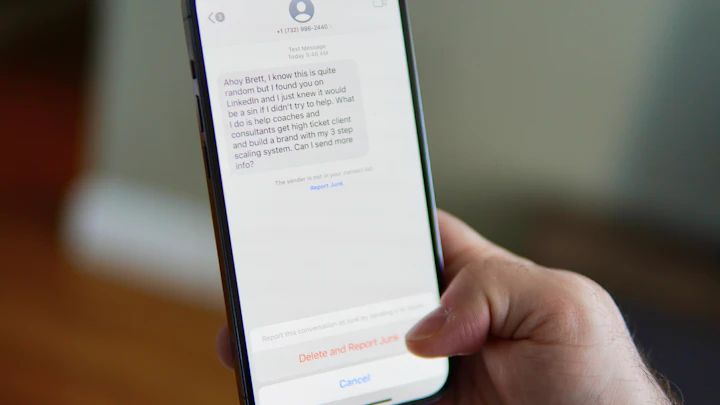
Photo: Brett Wharton on Unsplash
Someone watches your Reel. They don't like it, comment on it or share it to their Story. Instead, they tap the paper plane icon and send it to one person in a private message.
From the outside, nothing happened. The like count doesn't move and the comments stay empty. But Instagram saw it, and its leadership has said this kind of action matters more than almost anything else.
The metric is sends per reach: how many people sent a post to someone by DM, relative to how many people saw it. Many brands and agencies still don't report it.
What Instagram has actually said
Plenty of articles overstate what Instagram has confirmed, so it's worth being precise.
In an Instagram Q&A in May 2024, head of Instagram Adam Mosseri said rates matter more than raw counts, and that "sends per reach correlate more, in my experience, with overall reach than anything else", as TechBriefly reported. Note the wording: he describes a correlation his team has observed, not a published formula.
Two months later, Social Media Today reported that Mosseri repeated the point, noting that more people now engage in DMs than with feed posts. His advice to creators was not to force it, but to think about making content people would want to send to a friend.
Some third-party articles claim sends carry a fixed multiple of a like's weight in the algorithm. Instagram hasn't published any such ratio, so treat those figures as guesses. What is on record is that Instagram's head has pointed to sends again and again as a strong indicator of reach.
Three ways people share, and what each means
| Action | What it signals |
|---|---|
| Story share | Public endorsement. The sharer is telling their followers "I stand behind this." |
| Save | Personal usefulness. "I want to come back to this." We covered saves in the save economy. |
| DM send | Private recommendation. "This person needs to see this, now." |
A send is different from the other two. There's no audience and no public credit. The sender has thought of a specific person and judged that the post is relevant to them. That's why it's such a useful signal: it's hard to fake, and it reflects a real judgement about value.
Why brands measure the wrong things
Old dashboard habits
Standard social reports grew up around impressions, reach, likes, comments and followers. Those numbers fit neatly into weekly tables. Sends data has become more visible only relatively recently, so many reporting templates never added it.
Easy numbers win meetings
"This post reached 40,000 people" is easier to present than "our sends per reach rose from 2.8% to 3.2%". Even if the second number tells you more, the first usually ends up on the slide.
What you don't measure, you don't optimise
If sends aren't tracked, content gets judged on likes and reach by default. Content built for likes tends to be broad, pleasant and safe. Content that gets sent tends to be specific, accurate and about a problem the viewer recognises. Those are different briefs.
Why Reels are where sends matter most
Metricool's 2026 Instagram study, which compared about 24 million posts from early 2025 and early 2026, found Reels were the only format whose engagement rate grew, up 24.76%. Average Reel watch time roughly doubled. As Metricool is a social media tool analysing its own users' data, treat the figures as indicative.
Reels are also more likely than other posts to be shown to people who don't follow you. So a Reel that gets sent a lot has a better chance of reaching new audiences. That doesn't mean Reels are the only format worth using. We looked at the limits of a Reels-only strategy in the format ceiling.
How to check your own sends
- Open a post's insights. In Instagram's professional dashboard, a post's insights show its shares, and you can compare them with the post's reach. The exact labels and breakdowns vary by format and app version.
- Work out the rate. Divide sends (or shares, where that's what's shown) by accounts reached. That gives you a comparable number across posts.
- Record it regularly. Don't rely on going back months later; keep your own log.
- Check your analytics tool. Some third-party tools now include share data; availability depends on the tool and plan.
There's no reliable industry benchmark for sends per reach, and anyone quoting one should be treated with caution. The most useful comparison is within your own account: which posts earned the most sends relative to reach, and what do they have in common?
Questions to ask in that review:
- Which posts earned the most sends per reach?
- What do they share in topic, format, tone or the problem they address?
- Which posts got lots of likes but few sends, and why?
- Is there a topic or audience where sends are consistently higher?
What tends to get sent
Specific over broad. "Five LinkedIn tips" rarely gets sent. "Why most founder LinkedIn profiles describe the job but not the business" makes people think of someone they know.
A problem people recognise but can't put into words. When a post explains something the viewer has struggled to articulate, they forward it to the colleague or partner who needs to hear it.
Something most people in the field don't know. A useful fact or a gap in common practice makes viewers think "my team needs to see this".
Practical next steps. Posts that show exactly what to look for or do are easier to pass on than posts that only describe a problem.
What tends not to
- Content designed to offend no one. If it's for everyone, it isn't for anyone in particular.
- Motivation without detail. "Consistency is key" is true and unremarkable.
- Asking people to share. Mosseri's advice was not to force it. "Send this to someone who needs it" doesn't make content more worth sending, and it can come across as engagement bait.
- All hook, no substance. A strong opening gets the view. Whether it gets sent depends on what comes after.
Brief for a person, not a persona
The usual brief asks: "What do we want people to know, feel or do?" A brief built for sends asks: "Who is this for, and who will they think of when they see it?"
- From audience to individual. Not "founders aged 28 to 45", but "a founder who hired an agency six months ago, hasn't seen results and can't work out why".
- From topic to observation. Not "a post about Instagram analytics", but "most brand reports leave out the metric Instagram's head keeps pointing to".
- From call to action to a real question. End with a question the viewer will genuinely ask themselves, such as "Is this happening in our team?"
This is the same pattern we've seen in B2B, where buyers pass useful content around privately far more than they share it in public. We covered that in how B2B thought leadership shapes deals in private channels.
Likes show approval. Sends show usefulness.
Sends per reach isn't new. Instagram's head has been talking about it since 2024. The opportunity now is to actually measure it, review what earns it and brief content around it. Likes and reach still matter. But the posts people send to someone specific are the ones that travel, and that's where reach comes from.
Want content your audience actually sends to colleagues and friends? AgniCorp Media helps brands build content strategies and measurement around the signals that drive reach.

Devv Bairaagi is Principal Strategist at State of Marketing and co-founder of AgniCorp Media, where he leads strategy. His background spans Hyundai, WorkIndia and the United Nations. How we write and review articles.