
The Luxury Resale Paradox: Why Brands Are Taking Back Their Secondhand Market
Secondhand luxury is growing faster than new. Why leaving resale to third-party platforms costs luxury brands pricing power and customer data, and how certified pre-owned, buy-backs and digital passports win it back.
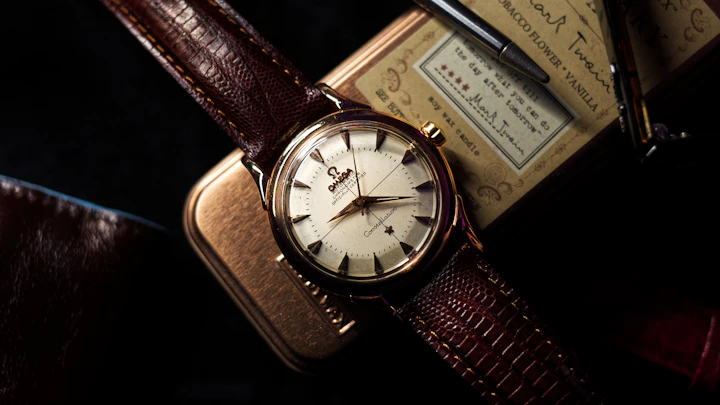
Photo: Francesco Dondi on Unsplash
For most of their history, luxury houses treated a product as finished once it left the boutique. What happened next (a sale between collectors, a consignment shop, an auction) was someone else's business. The brand's job was new product, controlled supply and steady price increases.
That stance is getting expensive. New luxury is barely growing, while the secondhand market keeps expanding, mostly on platforms the brands don't control.
- New luxury: Bain and Altagamma estimate the personal luxury goods market at €358 billion in 2025, down 2% at current exchange rates, with growth of 2% to 4% expected in 2026.
- Secondhand luxury: Bain puts it at about €50 billion in 2025, growing 4% to 6%, with watches and jewellery making up the large majority.
- Secondhand fashion and luxury combined: BCG and Vestiaire Collective project up to $360 billion by 2030, growing three times faster than the firsthand market.
The numbers differ by scope, but they point the same way. A growing share of the people who wear and collect a brand's products now buy them from someone other than the brand.
What brands lose when someone else runs resale
Pricing power
When a near-new handbag or watch is a few clicks away on a resale site at a clear discount, the boutique price has a visible benchmark. Every round of retail price increases makes that gap more noticeable. For pieces in short supply the effect can run the other way, with resale prices above retail, which is a different problem: speculative profit flowing to flippers instead of the brand.
Customer relationships and data
When a client buys or consigns through a third-party platform, the brand usually learns nothing. The platform knows who bought what, at what price, in what size and how often. The brand loses sight of who actually owns its products, which weakens clienteling, the personal relationship luxury depends on.
Authenticity
Counterfeits are a constant risk in the secondary market, especially in leather goods and watches. Each convincing fake that circulates as genuine damages trust in the real thing. It's one reason LVMH, Prada Group and Cartier (Richemont) launched the Aura Blockchain Consortium in 2021 to record product provenance. Aura now says it has registered more than 80 million products from over 50 brands.
Three ways brands get resale wrong
1. Pretending it doesn't exist. Some houses worry that acknowledging resale cheapens the brand. Ignoring resale simply leaves the platforms to tell the brand's story, often as a grid of discounted listings.
2. Outsourcing it entirely. A basic trade-in scheme run by a third party, where the client gets a voucher and the item disappears into someone else's warehouse, ticks the circularity box. But the brand gives up the product, most of the margin and the client contact.
3. Selling it only as sustainability. Environmental benefits are real, but they're rarely why luxury clients buy vintage. They buy for rarity, history, craftsmanship and, for some categories, value retention. A resale programme framed only as "doing our bit" undersells what clients actually want from it.
What brand-run resale looks like
Several houses already show what taking control looks like.
| Programme | What it does |
|---|---|
| Rolex Certified Pre-Owned (since December 2022) | Authorised dealers sell checked, certified secondhand Rolex watches with a Rolex warranty |
| Cartier Tradition (since 1996) | Cartier buys back, restores and resells vintage Cartier pieces |
| Gucci Vault (since 2021) | An online concept store selling restored vintage Gucci archive pieces |
| Vestiaire Collective "Brand Approved" (since 2021) | Partner brands such as Alexander McQueen authenticate pieces sold on the platform |
| Audemars Piguet "The Watch Keepers" | A marketplace of AP watches authenticated and guaranteed by the brand |
Rolex is the clearest proof that this can become a serious business. Sales of Rolex Certified Pre-Owned watches reached about $385 million in the first half of 2026, roughly double the year before, according to EveryWatch data. That's around 11% of the value of all secondary-market Rolex sales. WatchPro reports a record third quarter and says the programme is on course to pass $1 billion a year in 2027. Certified watches typically sell at a premium over comparable uncertified ones, although that premium has narrowed at some retailers.
A four-part plan for owning the secondary market
1. Product provenance
Give each piece a verifiable digital identity that records authenticity, ownership changes and servicing. This is also where regulation is heading. The EU's Ecodesign for Sustainable Products Regulation introduces Digital Product Passports, with rules set product group by product group. Textiles and apparel are among the first priorities, and the European Commission plans to adopt the textiles rules in 2027, so obligations are unlikely to apply before about 2028. The regulation allows a QR code or other data carrier; it doesn't require NFC chips, though some luxury brands already use them.
2. A first-party buy-back route
Give clients a simple way to sell pieces back to the brand, with valuations paid as cash or, at a better rate, as credit towards new collections or bespoke orders. Credit keeps the client in the brand's world and brings desirable vintage stock back under its control.
3. Certified restoration
Route returned pieces through the brand's own workshops for inspection and restoration with genuine parts, then sell them with a brand warranty and certification. This is what makes Rolex's programme work: the certificate is the product, because it removes the buyer's biggest worry about secondhand luxury.
4. Archive releases with a story
Present restored pieces as part of the house's history, not as clearance. Limited archive drops, private viewings and editorial storytelling around a piece's era and design put vintage closer to collecting than to discounting. Gucci Vault and Cartier Tradition both treat the archive this way.
How it differs by category
Watches. The grey market already prices many references, and buyers worry about replaced parts and unserviced movements. A factory service, archive certificate and warranty answer those worries directly, which is why watches have moved first.
Leather goods. Iconic bags circulate widely on consignment sites. A restoration and care service (cleaning, edge repainting, hardware replacement) gives clients a reason to bring pieces back to the brand, and a buy-back option at that moment captures the stock.
Ready-to-wear and runway pieces. Garments from landmark collections tend to vanish into peer-to-peer apps. Buying key pieces back, documenting why they matter and showing them in retrospectives connects today's collections to the house's history.
Ten questions for luxury brand teams
- Do you track resale prices for your key products across the main platforms?
- Can you verify the authenticity and history of a piece digitally?
- What share of your top clients buy or sell your products on third-party platforms?
- Do you know roughly how much value third-party platforms capture from your archive each year?
- Do you offer an official trade-in or buy-back, ideally with an incentive to stay with the brand?
- Can your workshops restore and certify pieces under a brand warranty?
- Can client advisers see a client's full ownership history with the brand?
- Are archive or vintage releases presented as heritage, not markdowns?
- Does your pricing hold up against what the secondary market shows?
- Are you preparing for Digital Product Passport requirements in your categories?
The point
A luxury product that holds its value in the secondary market is proof of the brand's strength. The question is who benefits from that value. Today, for most houses, it's the platforms. Rolex, Cartier and Gucci show that a brand can reclaim the secondary market without diluting its prestige, by owning authentication, restoration and the story. For houses that want to keep pricing power and client relationships over the next decade, that work is moving from optional to necessary.
(For more on how premium brands build value, see the premium paradox and our piece on marketing to the very wealthy.)
Rethinking how your brand handles resale and heritage? AgniCorp Media helps premium and luxury brands build positioning that holds its value.

Devv Bairaagi is Principal Strategist at State of Marketing and co-founder of AgniCorp Media, where he leads strategy. His background spans Hyundai, WorkIndia and the United Nations. How we write and review articles.