The Luxury Watch Waitlist Trap: What Happens When Secondary Premiums Shrink
For years, scarcity let luxury watch dealers ration their most wanted models. Now most brands trade below retail on the secondary market. What the latest data shows, why the old allocation game is weakening, and how watch brands can build direct collector relationships.
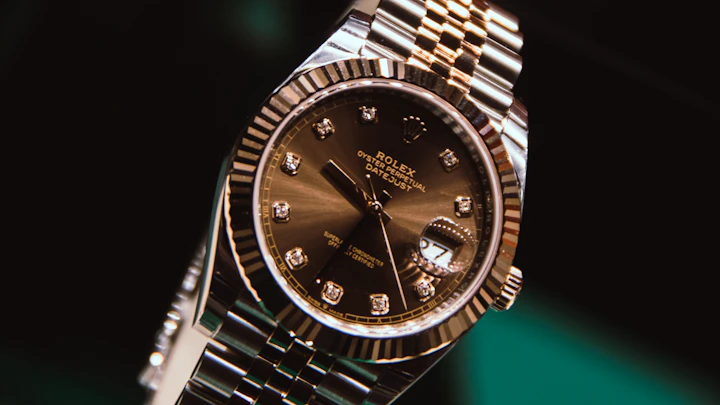
Photo: Laurenz Heymann on Unsplash
Between 2020 and 2022, luxury watches went through a speculative boom. Cheap money, social media hype and new wealth pushed secondary prices for popular steel sports watches far above their retail prices. For buyers, getting one at retail felt like winning a lottery.
That scarcity gave rise to a familiar retail ritual. To be offered a sought-after model, many buyers were told to build a "purchase history" with the dealer first: buy other watches or jewellery, wait on an opaque list and hope. When secondary prices were far above retail, plenty of people played along.
The conditions that made that ritual work have changed.
What the latest market data shows
Morgan Stanley's quarterly report on the secondary watch market, built on WatchCharts data and published on 13 October 2026, gives a clear picture, as summarised by Everest and StashAway:
- Prices have stabilised, well below the peak. The WatchCharts Overall Market index rose 1.2% in the third quarter of 2026 but remains about 29% below its April 2022 peak.
- Only a few brands trade above retail. At the end of September, pre-owned Patek Philippe watches traded at an average 16.3% premium to retail, Rolex at 10.3% and Audemars Piguet at 5.9%. Every other brand in the report traded at a discount of at least 25% to retail.
- Supply is high. For the six biggest brands in the report, the value of pre-owned watches listed for sale reached a record.
- Brands are moving into resale themselves. Rolex's Certified Pre-Owned programme sold an estimated $229 million of watches in the quarter, according to the same report.
These are secondary summaries of a bank research report and an index built on advertised and sold prices, so treat individual figures as indicative. The direction, though, is consistent: the market is calmer, more polarised and far less speculative than in 2022.
Why the allocation game is weakening
1. Flipping no longer pays for most watches
Long waiting lists were never driven only by collectors. When a watch could be resold immediately for well above retail, speculators had every reason to queue, and even to accept buying other pieces to get an allocation. With premiums much smaller, and most brands trading below retail, that incentive has largely gone.
2. Bundling looks worse when the alternative is easy
Being asked to buy unwanted pieces to qualify for a popular model was always unpopular. It becomes much harder to justify when a buyer can find the watch they want on the secondary market at close to retail, without taking a loss on items they never wanted.
3. Retail and resale prices are converging
While secondary prices fell from their 2022 highs, some brands kept raising retail prices. Everest reports that Rolex raised prices by about 7% on average in January 2026. Not every brand moved the same way: StashAway notes that Patek Philippe cut some US retail prices in early 2026. Where retail rises and resale falls, the urgency of securing a retail allocation fades.
4. Plenty of choice online
When buyers can see large numbers of pre-owned watches available for immediate delivery, the sense of scarcity that drove waiting lists weakens.
Three misconceptions in luxury watch marketing
"Scarcity protects prestige forever." Scarcity works when demand clearly exceeds supply. When it doesn't, making customers wait and jump through hoops can feel less like exclusivity and more like poor service. Some collectors respond by turning to brands, including independents, that make them feel welcome.
"The dealer can own the client relationship." When a brand sells mainly through multi-brand retailers, the retailer often holds the customer data. The brand may not know who bought its watches, what else they collect or when they might buy again.
"Certified pre-owned is just a premium price tag." Certified pre-owned programmes earn their premium when they offer something a grey-market seller can't: authentication, servicing, a meaningful warranty and clear provenance. We covered why luxury brands are taking back their resale markets in the luxury resale paradox.
How watch brands can build direct collector relationships
1. Make allocation transparent
Replace vague "expression of interest" lists with a clear process. Explain how allocation works, roughly how long it takes and what you look for in a buyer. Some brands ask collectors about their interests and collecting history, which helps match pieces to people who will wear and keep them. Any resale restrictions should be clear, fair and legally sound in each market.
2. Invest in direct relationships
Brand boutiques, appointments and events let brands meet collectors directly, understand what they value and keep in touch over years rather than single transactions. The goal is to treat buyers as long-term clients, not as entries in a queue.
3. Use digital provenance
Digital product passports and authentication records can confirm a watch's origin and service history and make ownership transfers smoother. Luxury groups have explored shared systems for this, such as the Aura Blockchain Consortium. For buyers, clear provenance builds trust. For brands, it gives visibility into the secondary market.
4. Offer services that create loyalty
Personalisation, servicing programmes and trade-in options give collectors reasons to stay with a brand. Any trade-in or buy-back commitment needs careful financial planning, because a promise that the brand can't afford to keep would do more damage than having no promise at all.
How the approach differs by segment
- High-complication watches: small production, commissions and close relationships between collectors and the brand's experts fit naturally.
- Premium independent sports and tool watches: transparent pricing, clear specifications and honest delivery timelines can set a brand apart from the queue culture of bigger names.
- Restored and archive pieces: in-house restoration with documented parts and warranties answers vintage buyers' biggest worry, which is originality.
Questions for watch brands
- How much of your production do you sell directly, and how much through third-party retailers?
- Do you own your customer data, or does it sit with dealers?
- How do your secondary prices compare with retail, and has your allocation approach changed to match?
- Is your allocation process clear to customers, or opaque?
- Do you offer authentication, provenance records or certified pre-owned options?
- If speculative demand disappeared entirely, why would your core collectors still buy from you?
From scarcity to relationships
The waitlist era rewarded brands and retailers who controlled supply. A calmer market rewards those who earn loyalty. With most watch brands now trading below retail on the secondary market, the brands that thrive will be the ones that make collectors feel valued, informed and welcome, long after the speculative buyers have moved on.
Building a luxury brand that has to earn loyalty rather than ration it? AgniCorp Media helps premium and luxury brands design positioning and clienteling strategies for the long term.

Devv Bairaagi is Principal Strategist at State of Marketing and co-founder of AgniCorp Media, where he leads strategy. His background spans Hyundai, WorkIndia and the United Nations. How we write and review articles.