The Originality Tax: How Instagram, YouTube and TikTok Now Reward New Content
Instagram, YouTube and TikTok have all made originality explicit policy. What changed in 2024 to 2026, what the data shows about reach, and a simple audit to check whether your brand's feed counts as original.
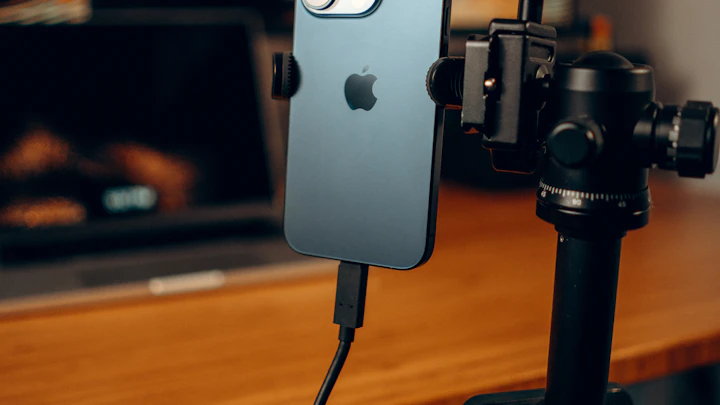
Photo: Yianni Mathioudakis on Unsplash
For years, the standard social media advice was simple: be consistent. Post every day, keep a calendar, show up. Plenty of brands filled that calendar with whatever was easiest to post: a creator's reel reshared to the feed, an industry stat turned into a graphic, a stock image with a quote on it.
The major platforms have now said plainly that this kind of feed won't be recommended to new people. Instagram, YouTube and TikTok have each moved, in different ways, towards rewarding content that's genuinely new. For brands that relied on reposting, that's a cost in reach. Call it the originality tax.
What Instagram actually changed
On 30 April 2026, Instagram published "Rewarding original creators on Instagram". It extended "the same protections we introduced to reels in 2024" to photos and carousels.
The key points:
- Accounts that primarily re-upload others' work in photos and carousels become ineligible for recommendations, meaning the places where Instagram suggests content to people who don't already follow them.
- An account can become eligible again once a significant share of its recent photos, carousels and reels over a 30-day period are considered original.
- Meaningful edits, such as added text or graphics, can make reused content count as original. Instagram suggests tools like Collabs, Remix and paid partnership labels as ways to credit other creators.
- The change doesn't affect how posts appear to existing followers.
- Instagram said 75% of recommendations in the US now come from original posts.
The 2024 rules for reels, set out in "Helping creators find new audiences", work in a similar way. When Instagram finds identical copies of a piece of content, it replaces the copy in recommendations with the original and adds a label linking to the creator. Publishers with licensing agreements or explicit permission aren't affected, and significant changes such as reaction videos, parody or a new voiceover are treated differently from straight reposts.
Instagram doesn't publish an exact threshold, so be wary of anyone quoting a precise number of reposts that triggers the rule.
Meta has also talked about this on its earnings calls. On the Q4 2025 call in January 2026, CFO Susan Li said Meta grew the prevalence of original content in the US by 10 percentage points in the quarter.
What YouTube changed
On 15 July 2025, YouTube updated its Partner Program monetisation policies. It renamed its "repetitious content" policy to "inauthentic content" and clarified that it covers content that's repetitive or mass-produced.
The related reused-content policy targets channels that repurpose other material without adding significant original commentary, substantive changes, or educational or entertainment value. Reuse is fine if viewers can tell there's a meaningful difference from the original. According to press coverage, YouTube's creator liaison Rene Ritchie described it as a minor update to a long-standing policy. That's fair: the rule wasn't new, but the language got sharper.
What's happening on TikTok
TikTok hasn't announced an originality policy of the same kind, but the numbers show how crowded it has become. Metricool's 2026 TikTok Study analysed 2.31 million posts from more than 92,000 accounts, comparing January and February 2025 with the same months in 2026:
- Videos published rose 72.1%.
- Image and carousel posts rose nearly 140%.
- Average views per post fell 31.3%.
- Reach fell 28.7% and interactions fell 31.2%.
In the same sample, the For You page accounted for 72.7% of video views. In other words, most reach comes from recommendation rather than followers, and more posts are competing for it. We covered how that works in the interest graph.
Why platforms are doing this
Platforms don't explain every motive, but a few reasons are easy to see.
Supply has outgrown attention. Back in 2016, Instagram said users shared about 95 million photos and videos a day. The volume is far larger now, and AI tools have made content cheaper to produce. People's time hasn't grown with it.
Repetition hurts the experience. Seeing the same clip on five different aggregator accounts makes a feed feel stale, and platforms care whether people keep opening the app.
Original creators need a reason to keep making things. If aggregators can win reach by reposting someone else's work, the people producing that work have less reason to stay. Instagram's own announcements frame the changes as protecting original creators.
Consistency and originality are different things
The old advice mixed up two ideas. Consistency is a production habit: posting regularly. Originality is about whether the content needed your brand to exist at all.
You can be perfectly consistent and still produce a feed that's mostly reposts. That used to cost little. Now it can cost you recommendations, which is where new audiences come from.
Original doesn't have to mean expensive. A founder talking to camera about something they've noticed in their market is original, and needs only a phone and a real point of view. A polished graphic of someone else's statistic is still a repost, however good it looks. The useful question is: did this need our perspective to exist?
What this means for different teams
Founders. Your own observations are hard to copy. Lessons from building the business, patterns you see in customers, mistakes you've learned from: no aggregator can repost those before you've made them. We looked at how to do this well in the founder personal brand signal problem.
Brands. Resharing creators can still be part of the mix, ideally through Collabs or with credit and added value. But it should sit on top of a base of original work, not replace it. If you work with creators, get the rights to use their content properly, as we discussed in the creator content afterlife.
Creators. These changes broadly favour people who make original work. The risk is reacting to a reach dip by posting more, faster and thinner. It's better to look at which posts earned saves and rewatches, and do more of that on purpose.
A 30-day originality audit
Run this on your own account:
- List what you made from scratch in the last 30 days. Not what you posted, what you produced. Compare it with your total post count.
- Remove the reposts in your head. If you took out every reshared clip, borrowed stat and stock-image quote, what's left? That's your real content engine.
- Check how you reuse others' work. Are you using Collabs, crediting creators and adding commentary or edits, or just re-uploading?
- Describe what you make, not what you post about. "We post about skincare" is a topic. "We test one ingredient claim a week on camera" is a format only you produce.
- Picture a stranger seeing the post. Recommendations go to people who don't follow you. Would they be glad they saw it?
If your feed is thin once you strip out the reposts, start by building a simple production process before adding more to the calendar. Our guide to a social media content calendar for small brands can help you plan original formats you can sustain.
Earn the recommendation
Posting regularly still matters, but it was never what earned reach on its own. Platforms recommend content they think people will value, and they've now said clearly that original work comes first. Brands that build a habit of making something new will find the rules work in their favour.
Want a social content system built around original work? AgniCorp Media helps brands plan formats and production that earn reach.

Muskan Agarwal is Head of Content at State of Marketing and co-founder of AgniCorp Media, where she leads digital marketing strategy across blogs, podcasts, newsletters and social channels. How we write and review articles.