The Quiet Luxury Trap: Why Understated Branding Struggles for New D2C Brands
Heritage houses can afford to whisper. A new D2C brand selling a plain beige sweater on a phone screen often can't. Why quiet luxury creative struggles in paid social, what returns cost, and how to make quality visible.
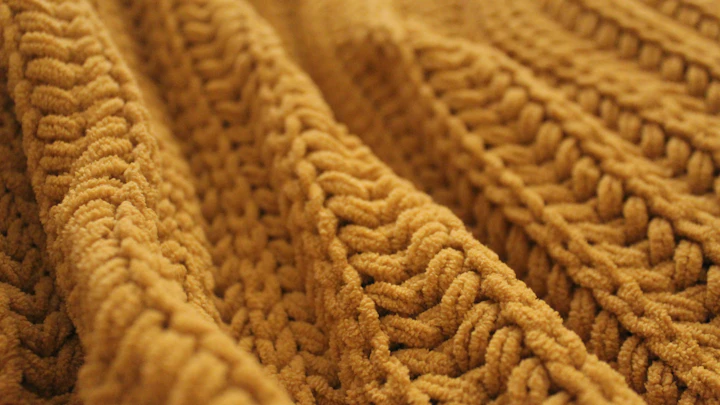
Photo: Sarah Claeys on Unsplash
For the past few years, "quiet luxury" has been one of fashion's favourite ideas. Coverage in outlets like Business of Fashion tracked the rise of logo-free luxury, and brands such as Brunello Cucinelli credited the mood for strong growth.
Many new direct-to-consumer brands copied the look: soft neutral colours, minimal logos, sun-washed lookbooks and copy about "Italian craftsmanship without the markup". The aesthetic is lovely. The trouble is commercial. What works for an established house often doesn't work for a brand nobody has heard of, selling through ads on a phone.
Why the heritage houses can stay quiet
Loro Piana was founded in 1924 and is majority-owned by LVMH. Brunello Cucinelli dates from 1978. The Row, founded in 2006, is younger but launched with enormous recognition. These brands can be understated because people already know what they stand for. Their customers come through stores, relationships and reputation, not cold ads.
A new brand doesn't have that history. When it copies the silence without the reputation, the quiet doesn't read as confidence. It reads as nothing in particular.
The problem on a six-inch screen
The value of a fine knit or a well-cut jacket lives largely in touch: weight, softness, drape, how it holds its shape. A phone screen can't carry any of that.
So picture the ad. A model in a plain cream sweater, no logo, a neutral background. To someone scrolling, it can look much like a fast-fashion sweater at a fraction of the price. If the ad doesn't show what makes the product different, the shopper compares on price, and the premium brand loses that comparison.
That matters more because getting customers has become more expensive. Precise figures are hard to pin down, and many numbers in circulation come from agency blogs. One widely cited 2022 study by SimplicityDX found that the average loss on each new customer rose from $9 in 2013 to $29 in 2022. Whatever the exact figure for your category, ads that fail to stop the scroll get expensive quickly.
Returns eat the margin
The second problem is returns. Online apparel has some of the highest return rates in retail. Coresight Research put the average US online apparel return rate at 24.4% in 2023, and the NRF and Happy Returns expected 19.3% of online sales to be returned across all categories in 2025.
Part of the cause is "bracketing": ordering several sizes and sending back the ones that don't fit. In Narvar's 2021 research, 58% of US shoppers who had returned something said they bracket. For an expensive garment, every return means two-way shipping, inspection, repackaging and stock that's unavailable while it travels.
In India, reliable public return figures for fashion are scarce. Logistics and software firms often quote high return and return-to-origin rates for brands that rely on cash on delivery, but treat those as estimates and look at your own data by pin code and payment method.
Three mistakes to avoid
"Our craftsmanship speaks for itself." It doesn't, at least not online. "Handcrafted by master artisans" is a phrase every brand uses, including ones selling mass-made goods. Without specific, checkable detail, it sounds like marketing.
Copying the silence without the reputation. Minimal campaigns with almost no product information can feel exclusive to the team that made them. To a stranger, they often just feel unclear.
Leaning on discounts. When stock doesn't move, a first-order discount pop-up is tempting. Research on promotions, such as Erdem, Keane and Sun's study in Marketing Science, found frequent price promotions can lower perceived quality and pull sales forward from the future, with higher-end brands most exposed. That study looked at packaged goods rather than fashion, but the lesson carries over: a premium brand that keeps discounting teaches customers to wait.
Making quality visible
The fix is to replace vague claims with evidence a shopper can see and check.
Be specific about materials
Tell people what the product is made of and where it comes from, as precisely as you honestly can:
- Name the source if you can. For example, a cashmere yarn spun by Todd & Duncan in Kinross, Scotland, a wool cloth from Vitale Barberis Canonico in Biella, or shirting woven from Giza 87 Egyptian cotton. Only name a mill if you actually buy from it and have permission to say so.
- Publish the numbers that matter. Fabric weight, fibre type and blend, knit gauge or ply, and garment weight. Shoppers who care about quality understand these, and copycat brands often can't match them.
- Show care and origin documents where you have them, such as certifications for fibre or dyes. Don't claim certifications you don't hold.
Make ads you can almost feel
Use close-up video to show what a photo can't: the texture of the knit, a collar stretched and springing back, the weight of a coat as it moves, stitching and buttons up close. These details help stop the scroll and justify the price. Show them on a phone before you approve the creative, because that's where people will see them.
Help people buy the right size once
Detailed size guides with garment measurements (not just S, M, L), fit notes from real customers, and a quick WhatsApp or video chat with someone who knows the products can all reduce bracketing. Some brands offer a small alteration allowance at a local tailor instead of encouraging customers to order two sizes. Test it, and measure your return rate before and after.
Stand behind the product after the sale
Repairs, care advice, re-buttoning, de-pilling and clear guarantees reinforce the idea that this is something to keep for years. If you offer a buy-back or resale programme, price it from your own margins so it's a promise you can keep. We covered how luxury brands are approaching this in the luxury resale paradox.
Different products, different proof
Knitwear and outerwear: focus on fibre, weight and durability. A heavier, better-made sweater can justify its price if you show why it lasts.
Leather goods and shoes: show the construction. Cross-sections, stitching, hardware and how the leather ages over time are far more persuasive than "premium leather".
Shirts and tailoring: fabric origin, thread count or yarn quality, and construction details such as single-needle stitching tell the buyer what they're paying for.
Ten questions for D2C founders
- Could a shopper tell our ad apart from a fast-fashion ad within a couple of seconds?
- Do our product pages give specific material details, or just adjectives?
- What's our return rate, and how much of it is about fit?
- Do we show the product close up, in motion and on a phone-sized screen?
- How often do we discount, and are we training customers to wait?
- Do customers have an easy way to get fit advice before they buy?
- Can we back up every claim about origin and craft?
- Does our packaging feel premium without adding lots of shipping weight?
- What do we offer after the sale that a cheaper brand doesn't?
- If we removed our logo, would our product pages still explain the price?
Quiet product, clear story
Understated design can still sell. The product can be quiet. The marketing can't be vague. New brands that show their materials, make fit easy and stand behind what they sell give shoppers a reason to pay more, which is exactly what a beige sweater on a phone screen fails to do on its own. For more on building a premium position, read the premium paradox and the category tax.
Building a premium D2C brand? AgniCorp Media helps founders turn product quality into positioning customers can see.

Devv Bairaagi is Principal Strategist at State of Marketing and co-founder of AgniCorp Media, where he leads strategy. His background spans Hyundai, WorkIndia and the United Nations. How we write and review articles.